What Is a Important Anion Gap Value?
How the Anion Gap Works
The anion gap is a computed value used in blood chemistry to evaluate acid-base balance and possible electrolyte imbalance. It is based on routine electrolytes measured on a blood test, especially sodium, chloride, and bicarbonate. Because the body’s charges must stay in balance, the anion gap estimates the difference between measured positive and negative ions in the bloodstream.
Doctors use this number as a diagnostic marker when looking for a metabolic problem. A changed anion gap does not confirm a condition by itself, but it can point to an unexpected test result that needs further medical interpretation. In practice, the anion gap helps narrow a differential diagnosis when a patient has symptoms of illness or a suspicious lab pattern.
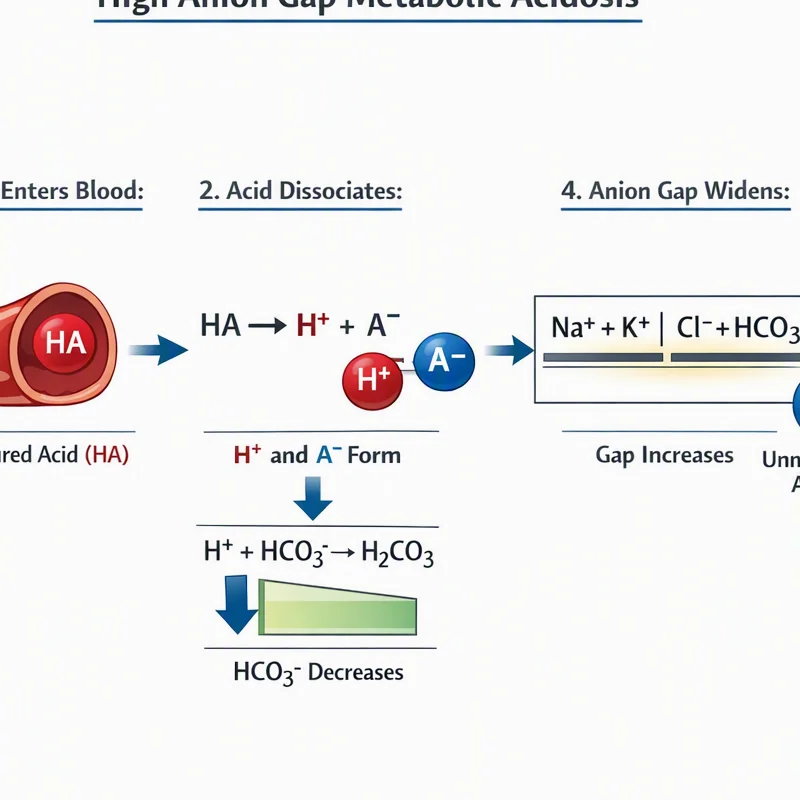
Most often, the anion gap is discussed in the context of acidic metabolic states, where too much acid is present or bicarbonate has been consumed. A elevated result can suggest unmeasured acids in the blood, while a lower reading may reflect low protein levels, lab interference, or other less common causes. That is why the anion gap is more than just a number; it is a clue that must be read in clinical context.
How an Anion Gap Calculator Works
An Anion Gap Calculator uses laboratory values from bloodwork to determine the gap quickly and uniformly. In its most basic form, it starts with sodium and deducts the combined amount of chloride and bicarbonate. The result is a calculated value that reflects the balance of ions in the bloodstream.
Some calculators also factor in serum albumin, because albumin is a major unmeasured anion. When albumin is reduced, the anion gap can seem falsely low. For that reason, many clinicians use albumin correction to produce a better adjusted corrected anion gap. This is especially useful when a patient has protein deficiency or other factors that affect blood chemistry.
Because the calculation depends on laboratory values, the result can vary slightly from one hospital laboratory to another. Different instruments, reporting methods, and lab reference range standards can affect the final number. The calculator is therefore a tool for interpretation, not a replacement for professional judgment. It helps identify whether the result falls within the expected lab reference range or whether it suggests an abnormality that should be reviewed further.
In a clinical setting, the Anion Gap Calculator is often used alongside the basic metabolic panel and, when needed, an arterial blood gas. Those tests provide a wider picture of acid-base balance, respiratory status, and the underlying metabolic disturbance. Together, they help clinicians decide whether the finding is limited, significant, or potentially urgent.
What Counts as a Standard, High, or Decreased Anion Gap
The reference range for anion gap depends on the lab range used by the laboratory. That means there is no single universal threshold that applies everywhere. In general, a value that falls within the lab’s expected range is considered normal, while values above or below that range are classified as a high anion gap or decreased anion gap.
A high anion gap usually suggests that additional acids have accumulated or that bicarbonate has been used up during an acid-loading process. A low anion gap is less common and may be related to hypoalbuminemia, lab error, or unusual proteins in the blood. The exact meaning depends on the patient’s clinical context, the specific analyzer used, and whether the result is repeated or confirmed.
Because the anion gap is a calculated value, clinicians do not interpret it in isolation. They compare it to the lab reference range, review the basic metabolic panel, and consider whether the patient has symptoms of an electrolyte abnormality or acid-base disorder. A small deviation may not be important, but a marked change can be a helpful diagnostic clue.
As a practical rule, the size of the change matters as much as the direction. A mildly elevated value may have limited significance in one person but be clinically meaningful in another, especially if there are signs of metabolic acidosis, dehydration, kidney dysfunction, or toxin exposure.
How Is Defined a Severe Anion Gap Value?
A critical value for the anion gap is not identical in every hospital or laboratory. Each lab defines its own reporting cutoff for flagging critical abnormalities. In many settings, the question is not only whether the value is high or low, but whether the abnormal result is serious enough to suggest immediate risk.
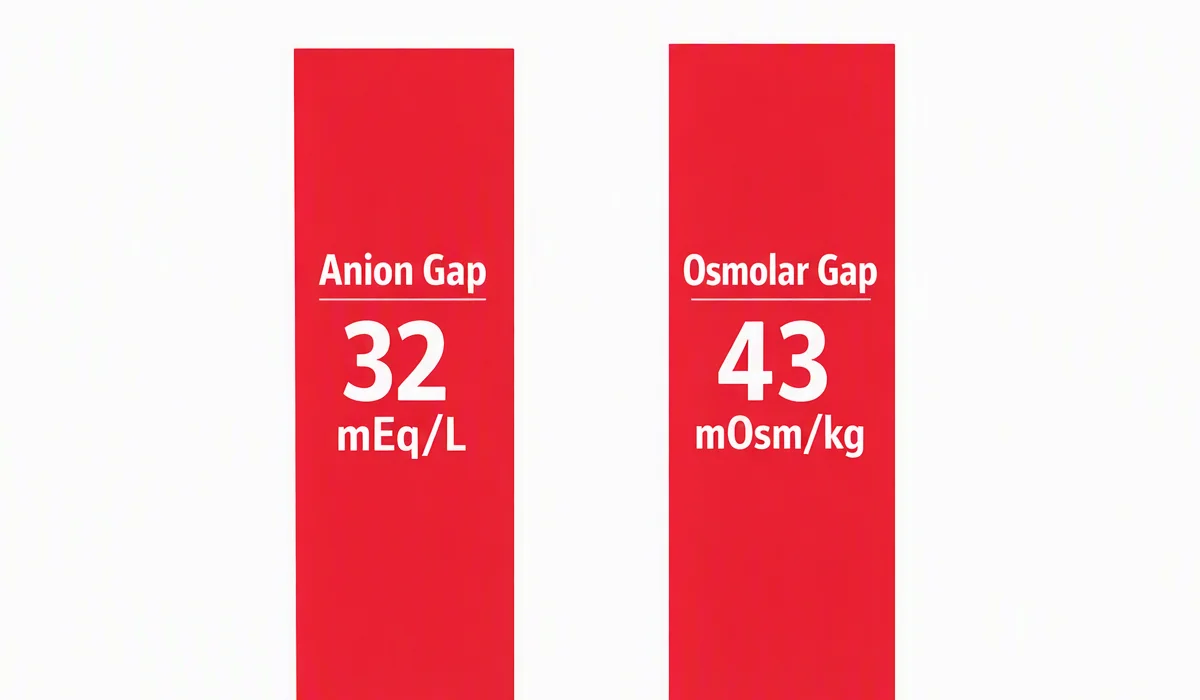
Clinically, a critical anion gap value is one that clearly suggests concern for a serious metabolic disturbance and requires prompt review. For a very high anion gap, this often means the chance of severe metabolic acidosis, lactic acidosis, ketoacidosis, renal failure, or another rapidly evolving disorder. For a very low value, it may indicate a major lab issue, marked hypoalbuminemia, or an unusual protein-related condition that requires attention.
The key point is practical relevance. A number becomes critical when it may change management quickly. That could mean urgent evaluation in the emergency department, immediate communication with a clinician, or rapid repeat testing if the result does not fit the patient’s presentation. Hospital laboratories may flag critical values based on local policy, but the decision should always be interpreted with symptoms and other test results.
In everyday practice, an anion gap becomes most concerning when it is accompanied by symptoms such as vomiting, rapid breathing, altered mental status, or severe weakness. The number alone does not determine risk. Instead, clinicians look for whether the result matches the full clinical picture and whether it suggests an urgent evaluation is needed.
Common Reasons for a High Anion Gap
A high anion gap is frequently related to metabolic acidosis. This occurs when acids build up in the body or when bicarbonate is lost, lowering the buffering capacity of the blood. The result is an increase in unmeasured anions, which raises the gap.
Lactic acidosis is a major cause. It can occur when tissues do not get enough oxygen, when circulation is poor, or during severe illness. As lactate acts as an acid, it contributes to the rise in the anion gap and may signal a serious underlying problem.
Ketoacidosis is another frequent cause. It may occur in diabetes, starvation, or heavy alcohol use. In this setting, the body breaks down fat for energy and produces ketones, which raise the acid load and widen the gap. This is often a true metabolic disturbance that needs prompt treatment.
Renal failure can also cause a high anion gap because the kidneys cannot clear acids effectively. As waste products accumulate, acid-base balance shifts, and the calculated value rises. Other causes include poisoning, severe dehydration, and certain drug effects, though the exact differential diagnosis depends on the clinical context.
When the gap is elevated, clinicians often compare the result with the basic metabolic panel and arterial blood gas to confirm the presence and severity of acidosis. This helps determine whether the abnormality is slight, progressive, or urgent.
Frequent Reasons of a Low Anion Gap
A low anion gap is not as common than a higher result, but it can still be medically significant. One of the most frequent causes is hypoalbuminemia, because albumin carries a negative charge and contributes significantly to the total anion balance. When albumin is decreased, the calculated value may fall even if the patient’s overall acid-base status is still relatively stable.
Lab error is an additional key explanation. Since the anion gap is calculated from multiple measurements, a problem in any of them can distort the result. If the number does not align with the clinical picture, repeating the test is often a practical step.
Uncommon but relevant causes include multiple myeloma and related conditions that involve abnormal proteins in the blood. These paraproteins can alter the measured charge balance and lower the gap. In some cases, paraproteinemia may be discovered because an unexpectedly low anion gap triggers additional testing.
As with increased readings, the meaning of a low gap depends on the patient’s symptoms and the broader test pattern. A single low result is not necessarily alarming, but it should not be ignored if it is ongoing, unexplained, or associated with other abnormal laboratory values.
When to Seek Urgent Medical Care
A few atypical anion gap values are best handled through regular follow-up, but others may require urgent evaluation. The appearance of alarming signs is very important. When a person has confusion, severe weakness, chest pain, persistent vomiting, or breathlessness, the situation may involve a serious metabolic disturbance that needs emergency care.
Acute symptoms can indicate that the body is struggling with pH balance or another serious electrolyte abnormality. For instance, confusion may accompany severe acidosis, while shortness of breath can occur when the body tries to compensate by breathing faster. These findings should not be assumed to be harmless simply because the issue started with a lab result.
If the abnormal result is flagged as critical by the hospital laboratory, clinicians usually respond quickly. The appropriate next step may be rapid medical review, repeat blood tests, or treatment in an emergency department. If symptoms are present, seeking emergency care is the best choice rather than waiting for a routine appointment.
Overall, the combination of a high anion gap and urgent symptoms is more alarming than the number alone. Clinical interpretation should always include the patient’s appearance, vital signs, and other laboratory findings.
How Doctors Interpret the Result in Context
Clinicians do not assess the anion gap in isolation. They usually review the basic metabolic panel first, then consider an arterial blood gas if there are signs of acidosis or respiratory compensation. These tests help clarify whether the calculated value reflects true acid-base imbalance or a less significant variation.
Albumin correction is especially important when serum albumin is low. A low protein state https://anion-gap-calculator330.image-perth.org/how-to-work-with-an-anion-gap-calculator-using-measured-electrolytes can hide a problem by making the gap look normal or even low. Adjusting for albumin provides a more accurate view of the corrected anion gap and improves clinical interpretation.
Clinicians also use the full clinical context. They consider the patient’s medical history, medications, hydration status, kidney function, and signs of infection or poor perfusion. This broader approach helps with diagnosis and reduces the chance of overreacting to a number that may be explained by benign variation or lab reference range differences.
Sometimes the anion gap is the first clue to a serious issue. In other cases, it simply supports an existing diagnosis. Either way, it serves as a useful tool in blood chemistry, especially when paired with symptom assessment and other tests. A thoughtful interpretation can distinguish a transient lab abnormality from a true urgent condition.
FAQ About Critical Anion Gap Values
What anion gap value is considered critical?
There is no single universal cutoff, because each laboratory may define its own critical value or alert threshold. In practice, a result becomes critical when it suggests a severe metabolic disturbance or when the abnormal result is likely to require urgent evaluation. The number should always be interpreted in clinical context, along with symptoms and other lab findings.
Is a high anion gap always an emergency?
No, a high anion gap is not always an emergency. Mild elevations can occur for different reasons and may need follow-up rather than immediate treatment. However, a markedly elevated value, especially with symptoms like confusion or shortness of breath, can indicate a serious problem such as metabolic acidosis, lactic acidosis, ketoacidosis, or renal failure and should be reviewed quickly.
Can a low anion gap be dangerous?
Indeed, a low anion gap can occasionally point to an important condition, but it is often not as urgent than a high one. It may be caused by hypoalbuminemia, laboratory error, multiple myeloma, or paraproteinemia. If the result is repeated or unexplained, it deserves professional review and possibly repeat testing.
How does albumin affect the anion gap?
Serum albumin is a key unmeasured anion, so when albumin is low, the anion gap can appear reduced. That is why albumin correction is useful. A corrected anion gap can reveal a hidden high anion gap that would otherwise be missed, especially in patients with low protein levels.
Should I repeat the test if the result is abnormal?
Often, yes, especially if the result does not fit the patient’s symptoms or other laboratory values. A repeat test can help eliminate lab error and confirm whether the abnormality is real. Your clinician may also order a BMP, arterial blood gas, or additional testing to help determine the diagnosis and medical advice.
If an anion gap result is flagged as critical or is paired with urgent symptoms, seek prompt medical review. The right next step depends on the full clinical context, not the number alone.